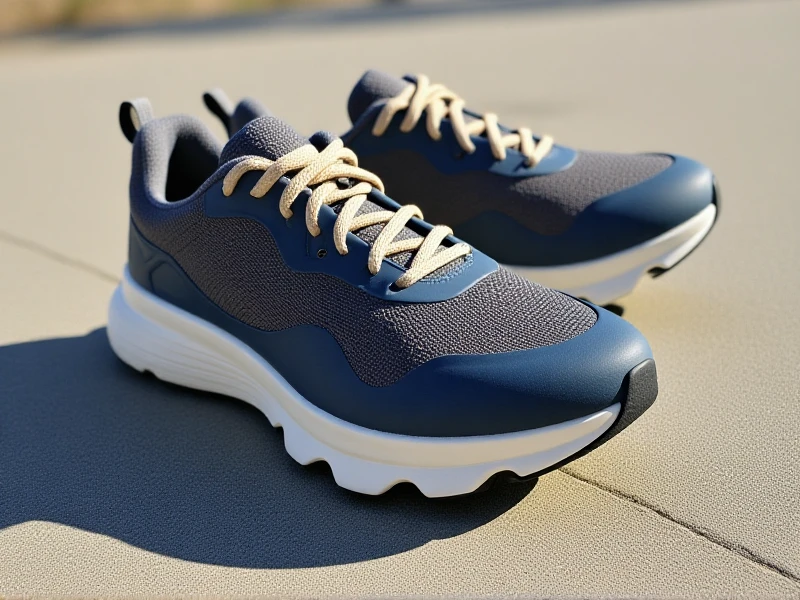
The Ultimate Guide to Choosing Your Perfect Pair of Sports Shoes
Finding the right sports shoes isn't just about style; it's about performance, comfort, and injury prevention. Whether you're a marathon runner, a weekend warrior, or simply enjoy staying active, your footwear makes a monumental difference. This guide cuts through the noise to help you find optimal athletic footwear.
Why Proper Sports Shoes Matter Sports shoes are engineered with specific activities in mind. Running shoes feature advanced cushioning to absorb impact, while basketball sneakers prioritize ankle support and lateral stability. Court shoes for tennis or volleyball have gum rubber soles for superior grip during quick pivots. Wearing incorrect shoes can lead to discomfort, blisters, or even stress injuries like plantar fasciitis.
Key Features to Evaluate
- Cushioning: Different densities and placements (heel, forefoot) cater to running styles and weight. Max cushioning suits long-distance runners, while minimal cushioning benefits speed work.
- Support & Stability: Look for reinforced arches and midsoles if you overpronate. High-top designs offer crucial ankle support for court sports.
- Breathability & Fit: Lightweight mesh uppers enhance airflow to keep feet cool. Ensure a snug (not tight) heel fit and room for toe splay. Always try shoes on with athletic socks.
- Outsole & Traction: Durable rubber with sport-specific tread patterns prevents slips. Trail running shoes feature aggressive lugs, whereas track spikes have specialized plates.
- Weight: Lighter shoes improve agility but may offer less support. Balance weight with your activity’s demands.
Finding Your Match
- Running: Visit specialty stores for gait analysis. Road runners need flex grooves; trail runners need rugged outsoles.
- Gym & Cross-Training: Seek versatile, flat-soled shoes for weightlifting combined with lateral support for HIIT.
- Court Sports: Prioritize ankle support and herringbone-pattern soles for multidirectional movement.
- Walking: Focus on flexibility and soft cushioning with a rocker sole design.
Maintenance & Replacement Rotate your sports shoes to extend their life. Replace them every 300–500 miles of running or when cushioning feels compressed or tread wears unevenly. Ignoring worn-out shoes risks diminished performance and injury.
Investing in quality sports shoes tailored to your needs transforms your workouts and daily activity. Comfort fuels consistency, and the right athletic footwear empowers you to push further safely. Choose shoes that truly support your movement journey.