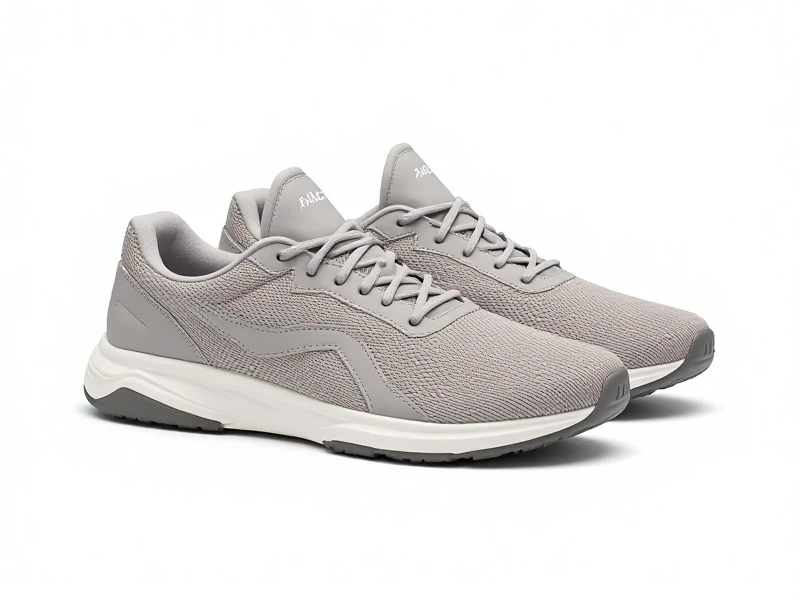
Your Ultimate Guide to Choosing the Ideal Sports Shoes
Finding the perfect pair of sports shoes feels like a quest. With countless brands, styles, and technologies flooding the market, it's easy to feel overwhelmed. Yet, the right athletic footwear is foundational to your performance, comfort, and injury prevention, whether you're hitting the trails, dominating the court, or clocking miles.
Understand Your Activity First Not all sports shoes are created equal. Running shoes prioritize shock absorption and forward momentum, featuring substantial cushioning in the heel and forefoot. Basketball demands stability for lateral movements and ankle support, leading to higher-top designs and grippy outsoles. Cross-training shoes offer a versatile middle ground for varied gym activities like weightlifting and agility drills. For trail running or hiking, look for aggressive tread patterns and durable, protective uppers. Match the shoe's core purpose to your primary activity.
Core Features That Matter Once you know the type:
- Fit & Comfort is Non-Negotiable: Your feet swell during activity. Always try shoes in the afternoon, wear performance socks, and ensure ample room (about a thumb's width) in front of your longest toe. The midfoot and heel should be snug and secure without pinching.
- Cushioning & Responsiveness: The level depends on preference and impact needs. Plush cushioning absorbs shock well for longer distances, while firmer, responsive materials offer energy return and ground feel for speed work or court sports.
- Stability & Support: Crucial for runners with pronation tendencies (rolling inward). Features like medial posts, dual-density midsoles, or wider platforms provide guidance. Similarly, court shoes often feature supportive overlays to handle sharp cuts.
- Breathable Materials: Mesh uppers are standard, offering lightness and airflow to keep feet cool and dry. Synthetic materials balance durability and weight, while some eco-conscious brands use recycled components.
- Outsole & Traction: Rubber outsoles offer durability. The specific tread pattern varies dramatically: deep lugs for soft trails, multi-directional patterns for court sports, and durable carbon rubber pads under high-wear areas on road running shoes.
- Weight Considerations: Lightweight sports shoes enhance agility and speed but sometimes sacrifice maximum cushioning or durability. Heavier options often provide more stability and protection.
Making Your Final Decision Never compromise on fit. What feels perfect instantly is likely the best choice. Replace sports shoes every 400-600 miles or when the cushioning feels compressed or worn unevenly. Your feet and performance will thank you.
Understanding these fundamentals empowers you to navigate the diverse world of sports footwear. Prioritizing your specific needs leads to finding the ideal companion that supports your stride, jump, or every move – allowing you to perform at your best and enjoy every step confidently.